🔭 Community Outreach & STEM Education
In May, I organized a successful telescope distribution initiative, giving students in underserved communities access to hands-on astronomy tools. This event not only provided the equipment but also included a short training session on how to use the telescopes and what to observe in the night sky. The goal was to spark long-term curiosity in space science through real-world engagement.
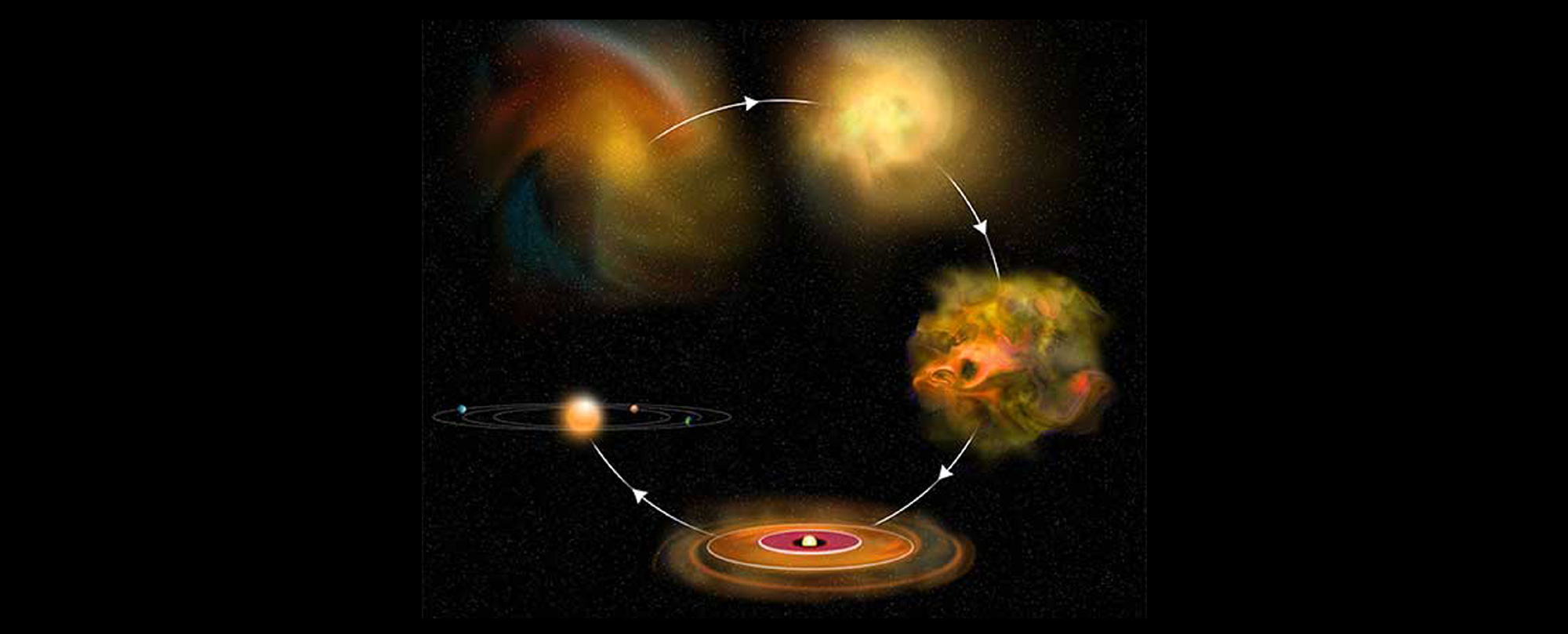
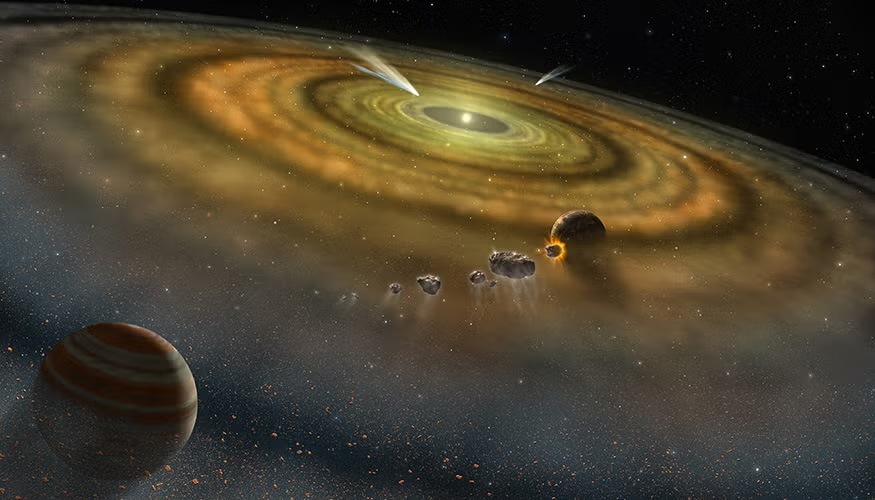
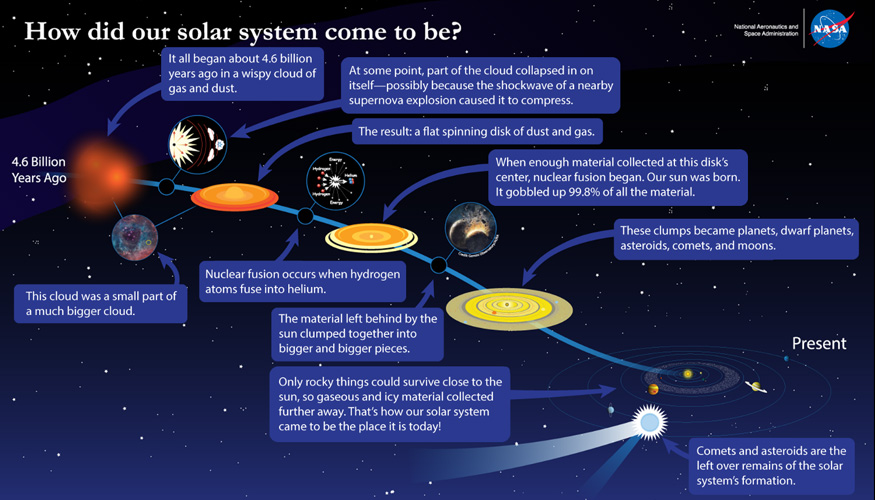
I’m currently leading two upcoming workshops focused on planetary formation and physics. The first, on August 3rd, will be held at the Erik Jonsson Central Library and is designed for elementary and middle school students, introducing them to how planets form from dust, gas, and stellar explosions. The second workshop, running August 9–10, will delve deeper into the physics of planetary layering, gravity, and orbital mechanics through interactive demos and models. Both events are free and meant to inspire young minds to explore space through science.
🌌 Workshop Registration & Info
📍 Location: J. Erik Jonsson Central Library, Dallas, TX
📅 August 3 (2:30–3:30 PM) — “How Planets Are Born: A Workshop for Young Explorers”
📅 August 9–10 (Afternoon Sessions) — “The Physics of Planetary Systems”
🔗 View full workshop details & register here:
https://www.dallaslibrary.org/planet-kids